

Senior Rehab: Better Care Options After a Hospital Stay
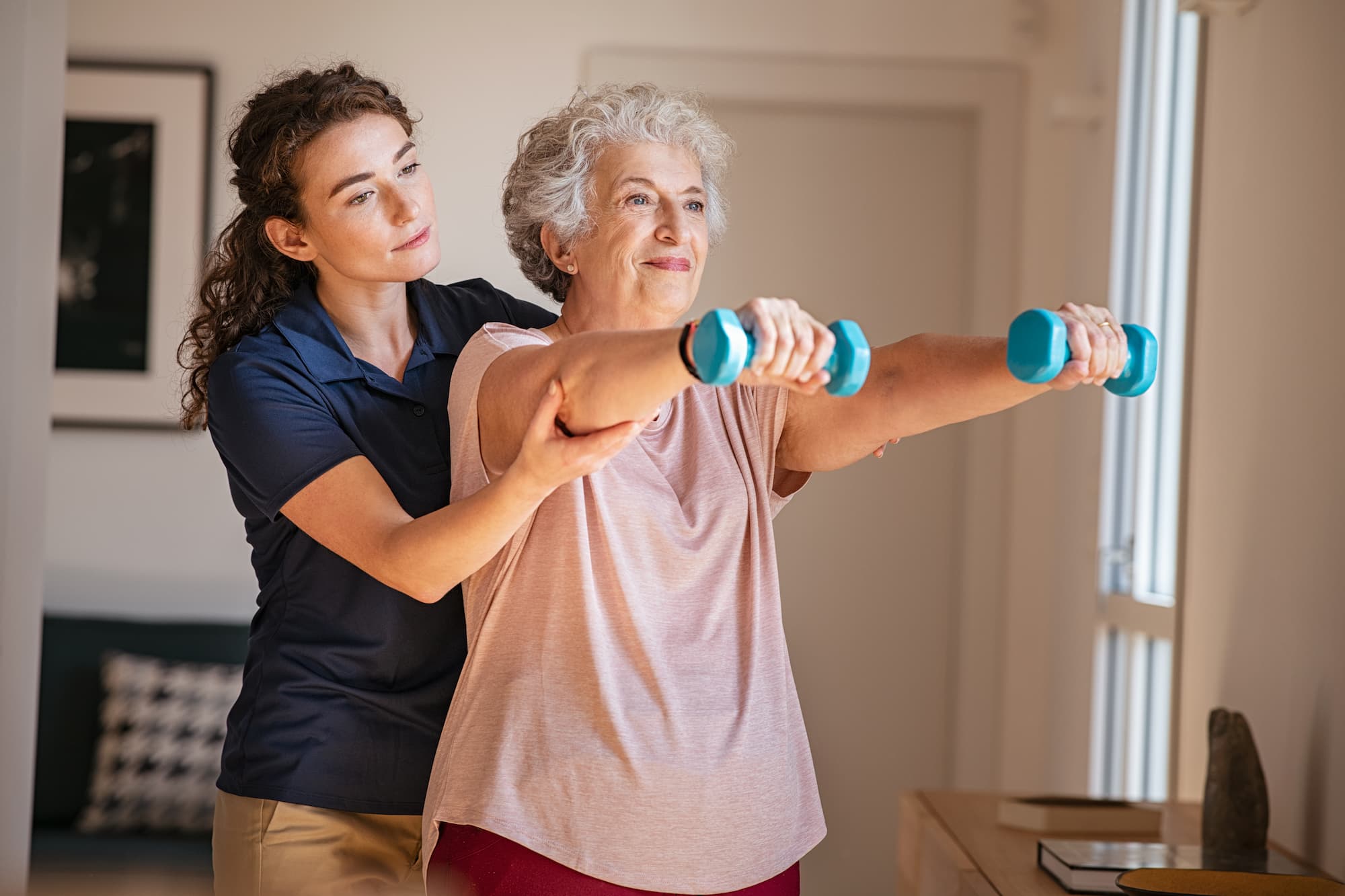
Key Takeaways
- The right senior rehab plan can speed recovery, prevent avoidable readmissions, and restore confidence after a hospital stay
- Casa de las Campanas in San Diego offers coordinated therapies, on-site clinical oversight, and a personalized pathway from hospital to home
- Choosing between home health, outpatient, subacute rehab, or acute inpatient rehab depends on safety needs, therapy intensity, and medical complexity
- Clear goals, frequent progress checks, and family involvement are essential to successful senior rehabilitation
What Is Senior Rehab Care?
Senior rehab, also called senior rehabilitation, is a short-term, goal-focused program that helps older adults regain function after illness, injury, or surgery. At Casa de las Campanas, senior rehab blends clinical oversight with daily therapies that target mobility, self-care, speech, breathing, and cognition. The aim is simple and personal: get you back to your life in San Diego with the skills and strength to stay there.
Why Rehab Can Be Essential After a Hospital Stay
Benefits of Early, Focused Rehab for Older Adults
A hospital stay often brings bed rest, new medications, and stress. Early rehab counters those effects with movement, breath training, and practice in real-world tasks. Benefits include:
- Faster recovery of strength and balance.
- Better pain control through movement and education.
- Lower risk of pressure injuries and blood clots.
- Smoother transition to home with safer routines and equipment.
At Casa de las Campanas, therapy begins as soon as it’s clinically appropriate. Your plan prioritizes the activities that matter most to you, from walking the garden paths to climbing your home’s entry steps.
Risks of Skipping or Delaying Rehabilitation
Delaying senior rehabilitation can lead to deconditioning, falls, medication complications, and another trip to the hospital. Without guided practice, older adults may lose independence in bathing, dressing, and meal preparation. If swallow strength is not addressed after stroke or pneumonia, the risk of aspiration increases. Timely, structured rehab reduces these risks and builds momentum toward discharge.
Medical Events That May Require Rehab
Hip/Knee Surgery and Fractures
Joint replacements and fractures respond best to daily mobility. PT targets gait, stairs, transfers, and joint protection. OT ensures you can manage dressing, bathing, and kitchen tasks safely with adaptive tools.
Stroke and Neurologic Conditions
After stroke or conditions like Parkinson’s disease, therapy focuses on movement retraining, speech and language, cognition, and swallow safety. Consistent practice is critical during the brain’s most receptive recovery window.
Cardiac Events and COPD Exacerbations
Cardiac rehab strengthens the heart with graded exercise and monitoring. Respiratory rehab improves airway clearance, energy conservation, and oxygen use. Breathing becomes more efficient through pacing and positioning.
Serious Infections, Deconditioning, and Falls
Sepsis, COVID-19, or a prolonged illness often causes weakness and balance loss. A targeted plan rebuilds endurance, reduces dizziness, and restores secure mobility to minimize fall risk.
Common Therapies in Senior Rehabilitation
Physical Therapy (PT)
PT restores mobility and strength. Expect gait and balance training, transfer practice, stair work, and therapeutic exercises matched to your goals. Therapists also assess equipment like walkers and teach techniques to prevent falls.
Occupational Therapy (OT)
OT focuses on everyday function. You will practice dressing, bathing, toileting, meal prep, and safe use of your home spaces. OT also addresses hand strength, vision, and energy management so daily routines feel achievable.
Speech-Language Pathology (SLP)
SLP addresses swallow safety, voice, and communication. After a stroke or respiratory illness, SLP helps rebuild swallow strength and creates strategies for safe eating. Cognitive training can improve attention, memory, and problem solving.
Respiratory and Cardiac Rehabilitation
Respiratory therapy teaches airway clearance, inhaler technique, and breathing patterns that conserve energy. Cardiac rehab includes monitored exercise, education on symptoms, and lifestyle coaching tailored to your physician’s plan.
Pain Management, Nutrition, and Social Work Support
Pain specialists use multimodal strategies so you can move and heal. Dietitians ensure protein intake supports muscle recovery. Social work helps with benefits, community resources, and caregiver support, which can make the difference between a stressful discharge and a smooth one.
Where Can Senior Rehabilitation Be Provided?
Home Health Care and Outpatient Rehabilitation
If you are safe at home and can travel or receive visits, home health or outpatient therapy may fit. Home health brings PT, OT, or SLP to your residence. Outpatient clinics offer specialized equipment and a consistent schedule. Casa de las Campanas often coordinates these services as a step-down after a short rehab stay.
Inpatient Rehabilitation Settings
Subacute Rehabilitation (in a Skilled Nursing Setting)
Subacute rehab provides daily therapy with round-the-clock nursing in a skilled nursing setting. It is ideal when you need frequent therapy and ongoing medical oversight for wounds, IVs, oxygen, or complex medications. Casa de las Campanas offers subacute rehab with a warm, resident-centered approach.
Acute Inpatient Rehabilitation (IRF)
IRFs deliver the highest therapy intensity, usually three hours per day, five to seven days per week, with close physician management. IRFs suit patients who can tolerate longer sessions and have potential for rapid gains.
How Long Does Senior Rehab Typically Last?
Typical Timelines by Condition
- Joint replacement or fracture: 1 to 3 weeks of inpatient rehab, followed by home health or outpatient
- Stroke: 2 to 6 weeks inpatient, then ongoing outpatient to reinforce gains
- Cardiac or pulmonary events: 1 to 3 weeks inpatient, then formal cardiac or pulmonary rehab in an outpatient setting
- Complex infections or deconditioning: 1 to 4 weeks depending on strength and medical needs
Intensity of Therapy (Hours/Week) and Progress Checks
Subacute rehab often delivers 5 to 10 hours of therapy per week. IRFs deliver higher intensity. At Casa de las Campanas, your team reviews progress at least weekly, refining goals to match your recovery.
Signs It’s Time to Transition to the Next Level of Care
You may be ready to step down when you meet safety goals, can manage essential tasks with equipment or help, and your vital signs remain stable during activity. If you plateau despite steady effort, the team may change the setting to better match your needs.
Common Senior Rehab Terms Defined
Nursing Home
A broad term that can refer to both short-term rehab and long-term care in a licensed facility.
Skilled Nursing Facility (SNF)
A facility that delivers skilled services such as nursing care, PT, OT, or SLP under a physician’s direction. Casa de las Campanas provides SNF-level rehab with individualized therapy plans.
Nursing Facility (NF)
A state licensing term for facilities that provide nursing care. It may include long-term and short-term services.
Senior Rehabilitation Center
A short-stay program within a community that focuses on recovery after illness or surgery. Casa de las Campanas offers a dedicated senior rehabilitation program to help you return home stronger.
Inpatient Rehabilitation Facility (IRF)
A hospital-like setting with high-intensity therapy and physician oversight for complex rehab needs.
Long-Term Care vs. Short-Term Rehab
Short-term rehab targets recovery and discharge. Long-term care supports ongoing needs when round-the-clock help is required.
Costs, Coverage, and Eligibility
Medicare Part A, Part B, and Medicare Advantage
Medicare Part A may cover inpatient rehab in a SNF or IRF if criteria are met. Part B typically covers outpatient therapies and some home health services. Medicare Advantage plans vary by network and authorization rules. Casa de las Campanas will verify benefits and work with your hospital team before transfer.
Medicaid and Secondary Insurance
For eligible individuals, Medicaid may help with costs not covered by Medicare. Secondary insurance can offset copays or coinsurance, depending on the plan.
Prior Authorization, Qualifying Stays, and Copays
Some plans require prior authorization or a qualifying hospital stay before rehab coverage begins. Copays, coinsurance, and deductibles depend on your policy. Our admissions team can explain your options and expected out-of-pocket costs.
What’s Typically Included vs. Out-of-Pocket
Covered services often include room and board for inpatient rehab, nursing, therapies, medications, and medical supplies related to your stay. Out-of-pocket expenses may include private rooms, non-formulary medications, or elective services. We provide a clear cost outline before admission.
What to Consider for Rehabilitation After the Hospital
Safety, Staffing, and Therapy Intensity
Ask about fall prevention, night staffing, and emergency response. Confirm therapy hours, weekend availability, and how sessions are adapted to your energy level.
Specialty Programs (Orthopedic, Cardiac, Neuro)
Condition-specific programs provide protocols that speed recovery and monitor key risks. Casa de las Campanas offers focused pathways for joint replacement, cardiac events, stroke, and pulmonary conditions.
Location, Transportation, and Family Involvement
Proximity matters in San Diego traffic. Consider how easily family can visit and participate in training. Ask about transportation to follow-up appointments.
Readmission Rates and Outcome Metrics
Facilities that track outcomes demonstrate commitment to quality. We monitor hospital readmissions, therapy minutes per week, and functional gains to guide continuous improvement.
Questions to Ask About the Hospital Discharge Plan
Level of Care Recommended and Why
Request a clear explanation of why subacute rehab, IRF, home health, or outpatient is recommended. The reason should link to your medical stability, safety, and therapy tolerance.
Therapy Frequency, Goals, and Expected Length of Stay
Ask how often you will receive PT, OT, or SLP, what goals will be targeted first, and how long you might need to stay to reach them.
Medications, Equipment, and Follow-Up Appointments
Clarify who manages new prescriptions, which equipment is needed, and how follow-up visits will be scheduled. Confirm that your primary care and specialists in San Diego are looped in.
Who Coordinates Care and How Progress Is Measured
At Casa de las Campanas, a care coordinator works with your therapists, nurses, and physicians. Progress is measured through standardized tests and the goals you set on day one.
Finding the Right Senior Rehab Plan
How to Compare Facilities and Providers
Compare therapy intensity, staffing, medical oversight, outcomes, and family education. Tour if possible, meet therapists, and review daily schedules to see how your time will be used.
Creating a Home-to-Rehab-to-Home Pathway
A strong plan anticipates each step. We start discharge planning on admission, order equipment early, and practice your actual home routines so you discharge with confidence.
Caregiver Roles and Support Resources
Caregivers learn safe transfer techniques, medication routines, and symptom checks. Our team shares print and digital guides and connects you with community services across San Diego County.
Where Can Elderly Patients Go for Rehabilitation?
Inpatient Senior Rehab
Choose inpatient rehab when you need round-the-clock clinical oversight or can benefit from multiple daily therapies. Casa de las Campanas provides a calm setting, therapy gyms, and tailored sessions that build strength without overwhelming you.
Outpatient Senior Rehabilitation Options
Outpatient PT, OT, SLP, cardiac, or pulmonary rehab fits those who can travel safely and benefit from specialized equipment. It is often the second step after a short inpatient stay.
In-Home Rehab
Home health brings therapy to your door. It suits those who are homebound or need caregiver training in the actual living space.
Assisted Living: Short-Term Rehab Support
Some families choose a short, assisted living stay while receiving outpatient therapy. It offers meals, housekeeping, and supervision while you regain strength.
Long-Term Care After Inpatient Rehab
When Ongoing Skilled Care Is Needed
If you continue to need complex wound care, frequent respiratory support, or nursing oversight, long-term care may be appropriate. The decision is based on safety and quality of life.
Transitioning to Assisted Living or Home With Services
Many people step down to assisted living or home with a mix of home health, outpatient therapy, and private duty support. Our team coordinates these services so you do not lose momentum.
Preventing Readmissions and Maintaining Gains
We focus on medication safety, follow-up appointments, early symptom recognition, and daily activity. Graduated home programs help you keep the gains you worked hard to achieve.
Outcomes, Quality Measures, and Red Flags
Functional Improvement Scores and Patient Satisfaction
We track mobility, self-care, and swallow measures from admission to discharge, along with patient satisfaction. Numbers matter, but so does your story. We want both to show you are ready for the next step.
Therapy Minutes/Week and Interdisciplinary Rounds
Therapy minutes per week should match your needs and tolerance. Interdisciplinary rounds ensure PT, OT, SLP, nursing, and your physician align on the same goals.
Warning Signs to Reconsider a Facility
If therapy is frequently canceled without a clear reason, if goals are vague, or if communication is inconsistent, ask for a case conference. You deserve a plan that is active, measurable and transparent.
Frequently Asked Questions
Do I Need a Three-Day Hospital Stay for Coverage?
Coverage rules vary by plan. Some insurance requires a qualifying inpatient stay, while others allow direct admission with authorization. Our admissions team verifies your benefits before transfer.
Can I Switch Facilities if I’m Not Progressing?
Yes, you can request a transfer if another setting is more appropriate. Your physician and insurer must approve, and our team can help coordinate a safe move.
How Are Therapy Goals Set and Updated?
Goals reflect your medical status and what you want to do at home. We review them weekly and adjust based on progress so therapy always targets the next win.
What If My Loved One Has Dementia?
We tailor therapy to attention span and learning style, keep routines predictable, and train caregivers in communication and safety strategies. Gentle structure helps therapy stick.
Recommended For You
Skilled Nursing Home vs. Rehab Center: Key Features Explained
Understand how licensing, staffing, and therapy intensity differ so you can match the setting to your needs.
Does Medicare Cover Nursing Homes?
Learn how Medicare, Medicare Advantage, and supplemental plans approach short-term rehab and long-term care.
What Is a Senior Rehabilitation Center?
See how a dedicated short-stay program like Casa de las Campanas in San Diego focuses on recovery, not permanent residence.
Why Casa de las Campanas in San Diego, CA
Recovery should feel personal. Our senior rehab program delivers skilled nursing oversight, coordinated PT, OT, and SLP, plus respiratory and cardiac support when needed. We build your plan around real goals like walking to your patio, managing stairs, and preparing simple meals. Family is welcome in training sessions, and discharge planning begins on day one. If you are comparing senior rehab options in San Diego, start with a conversation. We will explain coverage, map your goals, and design a pathway from hospital to home that fits how you want to live.
If you or a loved one is preparing for discharge, reach out to Casa de las Campanas to talk through next steps. Let’s turn recovery into a plan that works.
Featured Image: Ground Picture / Shutterstock